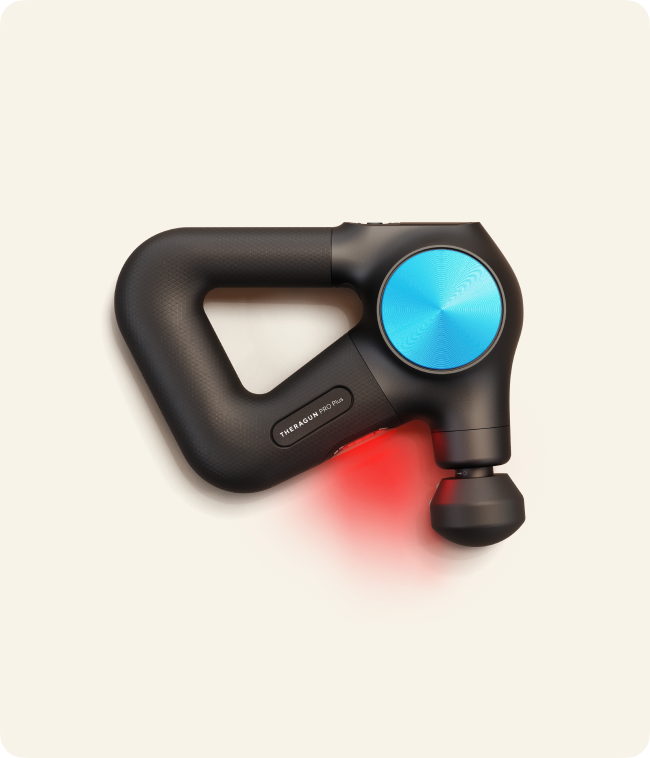
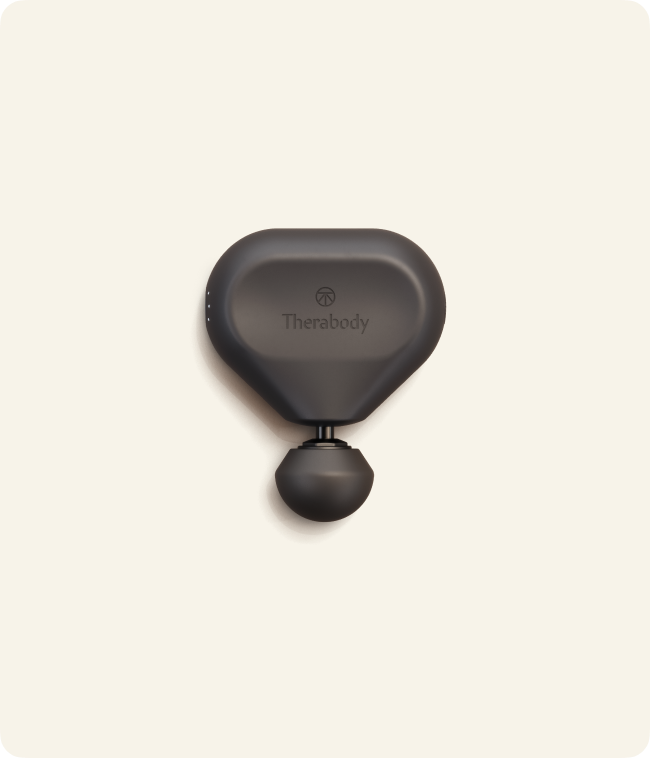
I see it constantly at the gym. Someone grabs a massage gun, jams it into their quad as hard as they can, and holds it on one spot for two straight minutes. Then they wonder why they are sore the next day. The gun did not help - they used it wrong.
Massage guns are effective tools, but they are not battering rams. The technique matters more than the device itself. Here is how to actually get results.
The Golden Rule: Let the Gun Do the Work
This is the single biggest mistake people make. You do not need to press hard. The motor generates the force - your job is just to guide it across the muscle. Light contact is all it takes. Pushing harder does not make it more effective. It just bruises you.
Think of it like an electric sander on wood. You do not mash it into the surface. You let the tool do the sanding while you guide the direction. Same principle.
Timing: 30-60 Seconds Per Muscle Group
More is not better here. Spend 30 to 60 seconds on each muscle group, then move on. Going longer than that on one area risks overstimulating the tissue and causing inflammation instead of reducing it.
A full-body session should take 10-15 minutes total. If you are spending 45 minutes with a massage gun, you are doing too much.
Start Low, Then Adjust
Always begin on the lowest speed setting. Give your muscles a chance to warm up to the sensation before cranking the intensity. Most people never need the highest setting - the middle speeds handle 90% of recovery work.
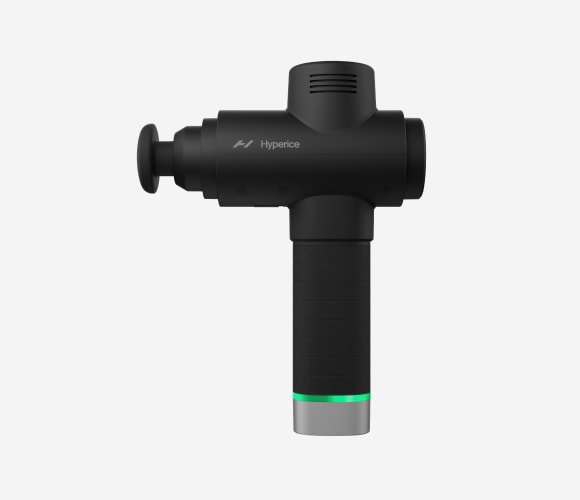
The Hypervolt 2 Pro has five speed settings, and I use the second or third for almost everything. The top speed is there for extremely dense muscle tissue like glutes after heavy squats. That is about it.
The Right Technique: Float, Do Not Dig
Move the massage gun slowly across the muscle in smooth, gliding strokes. Think of it like painting a wall - long, even passes. Do not park it on one spot and dig in. That is how you create bruises and make things worse.
When you find a tight spot or knot, you can pause for 10-15 seconds max, but keep the pressure light. Then move on and come back to it on your next pass.
Where NOT to Use a Massage Gun
- Bones and joints - Never use a massage gun directly on your kneecap, elbow, spine, or any bony area. Muscles only.
- Front and sides of the neck - There are major arteries and nerves here. The back of the neck is okay with very light pressure, but avoid the sides and front entirely.
- Bruised or injured areas - If it is already inflamed, percussion will make it worse.
- Over blood clots or varicose veins - This is a serious safety concern. If you have known blood clot issues, talk to your doctor before using any percussion device.
- Directly over the lower back spine - The muscles beside the spine are fine. The spine itself is not.
Pre-Workout vs Post-Workout Use
Before training: Quick 15-20 second passes over each muscle group you are about to work. Low speed. The goal is to increase blood flow and wake the muscles up, not deep recovery. Think activation, not treatment.
After training: This is where the massage gun really earns its keep. Spend 30-60 seconds per muscle group on a medium setting. Focus on the muscles that did the most work. This helps flush metabolic waste, reduces delayed onset muscle soreness, and speeds up recovery.
Attachment Heads Matter
Most massage guns come with 4-6 attachment heads. Use them - they exist for a reason.
- Ball head - Best all-around attachment. Use it for large muscle groups like quads, hamstrings, and glutes.
- Flat head - Good for denser areas. Works well on chest and upper back.
- Bullet head - For pinpoint work on specific knots and trigger points. Use carefully and with light pressure.
- Fork head - Designed to straddle the spine. Great for the muscles running along either side of your backbone.
When to Skip the Massage Gun Entirely
If you have any of these situations, put the gun down and see a professional instead:
- Acute injury (strain, sprain, tear)
- Unexplained pain that has lasted more than a week
- Numbness or tingling in the area
- Pregnancy (consult your doctor first)
- You are on blood thinners
A massage gun is a recovery tool, not a medical device. It handles everyday muscle tightness and post-workout soreness. Anything beyond that deserves professional attention.